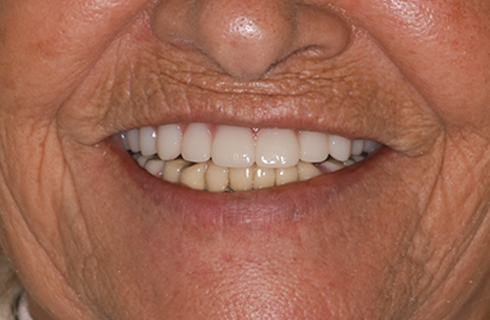
Closing the gap with dental bridges.

Experience you can trust

Compassion you can feel

Outcomes you can expect

Replace missing teeth with dental bridge solutions designed to restore comfort, natural-looking smile. This helps support everyday function and confidence.

Dental bridges play an important role in restoring bite function and smile balance when one or more teeth are missing.

Gaps left by missing teeth can affect how you chew, speak, and feel about your smile. Dental bridges offer a dependable solution by filling the space left behind, restoring function and helping maintain proper alignment of surrounding teeth.

Designed to blend naturally with your smile, dental bridges help improve comfort and everyday function while supporting long-term oral health. Each phase of care is handled with attention and support,creating a comfortable and supported experience.

This approach provides reliable dental bridge solutions that help patients regain confidence in their smiles.

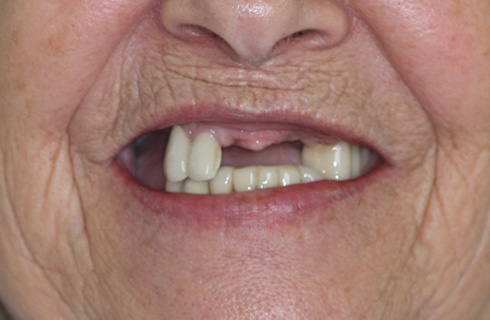
Seeing is Believing

Before and after images of dental work.

Google Icon
⭐⭐⭐⭐⭐

“I was due for my regular dental check-up and cleaning, so I decided to search for a dental cleaning near me. Luckily, I found a reputable dental clinic in my neighborhood that offers comprehensive oral care services, including thorough cleanings.”

We're ready to restore your dental health when you're ready.

Calendar icon with checkmark symbol

Make an appointment

You may call (203)378-9737 for Shelton or (203)372-1220 for our Bridgeport/Trumbull Office

tooth icon

Advanced Restorative Dentistry

Rejuvenate your smile with our comprehensive treatment

smiling tooth

Restore Your Smile

Enjoy renewed strength and beauty in every tooth for a fully functional and radiant smile.

A traditional dental bridge, the most common type, is composed of dental crowns (caps) on each end with artificial teeth (pontics) in between. By bonding the crowns to your healthy natural teeth (abutments) on either side of the gap, the artificial teeth seamlessly fill in the missing space. At our family dental office, we utilize traditional dental bridges when there are strong natural teeth available on both sides of the gap, ensuring a reliable and aesthetically pleasing restoration for your smile.

Similar to a traditional bridge, a cantilever bridge features a crown on one end instead of both. This means that when the bridge is bonded to your abutment tooth, the artificial tooth (pontic) extends across the gap, creating an overhanging effect. Cantilever bridges are commonly used when there are natural teeth available only on one side of the gap. It’s important to note that due to their design, cantilever bridges may not possess the same level of strength as traditional bridges, but they still provide a viable option for restoring your smile.

Utilizing metal wings instead of crowns for stability, a Maryland bridge, also known as a resin-bonded bridge, is secured by bonding the wings to the backs of adjacent teeth. This type of bridge is commonly employed for replacing front teeth, as they may not possess the durability required to withstand the chewing forces of back teeth.

An implant-supported bridge, the bridge is supported by dental implants rather than natural teeth, resembling a traditional bridge. Dental implants, which serve as replacement tooth roots, are small threaded posts. Prior to attaching the bridge, the implants need to fully integrate (fuse) with the jawbone, a process that typically takes three to six months, or longer based on individual circumstances. Dentists recommend implant-supported bridges when there are three or more consecutive missing teeth.

Schedule Your Next Visit with
DeJesus Dental Group

FAQs

K
L

How does a dental bridge attach to my teeth?

A dental bridge is anchored on either side by crowns placed over the adjacent natural teeth or implants supporting the bridge.

K
L

What are the benefits of choosing a bridge over other dental restorations?

Bridges are beneficial for filling the space of missing teeth, preventing the shifting of remaining teeth, maintaining facial shape, and restoring chewing and speaking abilities.

K
L

Are there different types of bridges?

Yes, there are several types of bridges, including traditional, cantilever and Maryland bonded bridges, each suitable for different situations and locations in the mouth.

K
L

How long does it take to get used to a new bridge?

Adjusting to a new bridge regarding feel and function typically takes a few weeks. Eating soft foods and gradually reintroducing other foods can help ease this transition.

Related Articles

Why Dental Implants Fail (and How to Prevent It)

Why Dental Implants Fail (and How to Prevent It)

Dental implants have a high success rate, but proper planning, placement, and aftercare are key. This blog covers common causes of failure, warning signs to watch for, and how to protect your long-term results.

read more