
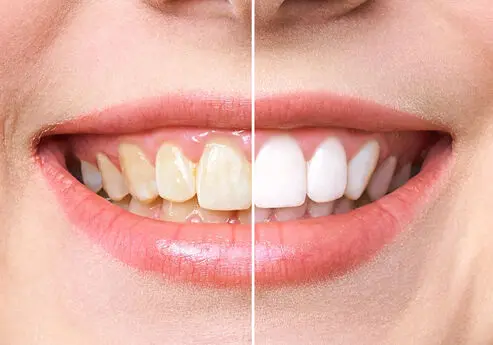
You know that moment when someone pulls out a phone for a group photo and, instead of simply smiling, you start thinking about your teeth?
Maybe they look a little more yellow than you remember. Maybe years of coffee, tea, red wine, or simply getting older have changed their shade. Or maybe you have a wedding, reunion, family gathering, or holiday photo coming up and you’d just like your smile to look a little brighter.
We hear versions of this all the time.
And usually, the next question is pretty straightforward: What actually works for teeth whitening?
There are plenty of choices. Whitening toothpaste. Drugstore strips. LED kits advertised online. Professional treatments from a cosmetic dentist. Then there are the homemade remedies that seem to make their way around social media every few months.
Some options can help. Others may not do much for the type of discoloration you have. And that’s where things get confusing.
At DeJesus Dental Group, we’ve found that the best place to start isn’t with the strongest whitening product you can find. It’s understanding why your teeth have changed color in the first place and choosing an approach that makes sense for your smile.
For adults considering teeth whitening in Bridgeport or Shelton, here’s how we look at the difference between professional whitening and over-the-counter options.
Why Teeth Can Look Darker Over Time
A brighter smile isn’t only about chasing a certain shade of white.
For many people, it’s really about confidence.
We’ve seen patients become more aware of their teeth before an important family photo or after noticing that their smile doesn’t look quite the same in pictures as it did a few years ago. Sometimes the change happened so gradually that they can’t pinpoint when it started.
That’s normal.
Coffee, tea, red wine, tobacco, and deeply pigmented foods can contribute to stains on the outside of the teeth. Aging can also change the way teeth look because enamel becomes more translucent over time, allowing more of the naturally yellowish dentin underneath to show through.
And that’s one of the first things we consider when someone asks us about whitening.
Not every stain behaves the same way.
How Teeth Whitening Actually Works
Here’s a simple way to picture it.
Think about a white shirt. Some marks sit mostly on the surface and can be lifted with regular cleaning. Others soak deeper into the fabric and need something different to change their appearance.
Teeth can be similar.
Dentists generally think about discoloration in two broad categories: surface, or extrinsic, stains and deeper, or intrinsic, discoloration. Whitening toothpastes can help reduce many surface stains, while peroxide-based whitening agents work through a chemical process that can alter colored compounds within the tooth structure.
That distinction explains why two people can use the same whitening product and walk away with completely different impressions.
One person may notice a meaningful improvement. Another may barely see a difference.
So before recommending a cosmetic treatment, we prefer to look at your teeth, talk about what you’re hoping to change, and figure out what may actually be causing the discoloration.
Do Over-the-Counter Teeth Whitening Products Work?
Yes, some can.
And we think that’s an important point to make because professional whitening doesn’t require pretending that everything sold at the pharmacy is useless.
Whitening Toothpaste
Whitening toothpaste can be useful when the issue is primarily surface staining. It generally works through polishing or stain-removing ingredients rather than significantly changing the underlying natural color of your teeth.
So if morning coffee has left your smile looking a little dull, you may notice some improvement.
But if you’re hoping to substantially lighten the overall shade of your natural teeth, toothpaste alone may not give you the change you’re imagining. Whitening toothpastes can help remove surface stains, but they generally have a limited effect on discoloration that sits deeper within the tooth.
Whitening Strips and Other At-Home Products
Whitening strips, gels, and some other over-the-counter products can lighten teeth when used correctly.
We’ve seen why they’re appealing. They’re easy to buy, relatively inexpensive, and you can use them at home.
But there are tradeoffs.
Results may take longer than dentist-supervised whitening, and a one-size-fits-all product can’t account for every filling, crown, sensitive area, exposed root, or difference in tooth shape. Temporary tooth sensitivity and gum irritation can also happen with both store-bought and professional whitening treatments.
So we don’t look at the decision as simply “store-bought versus professional.”
We look at what you’re trying to accomplish, how quickly you’d like to see a change, your history of sensitivity, the condition of your teeth and gums, and whether you have dental restorations that could affect the final appearance.
What About Charcoal, Lemon Juice, and DIY Whitening?
This is where we’d be a little more cautious.
You know how it goes…
A homemade whitening trick starts circulating online, the before-and-after photos look convincing, and suddenly ingredients from the kitchen are being used as dental products.
Charcoal powders, acidic fruits, vinegar, baking soda mixtures, and other DIY approaches have all been promoted as ways to whiten teeth. But the evidence supporting many of these methods is limited, and some homemade mixtures, including charcoal-based products, may be abrasive enough to wear down tooth enamel without providing meaningful whitening results.
And enamel deserves a little respect. Once tooth structure is worn away, whitening can’t put it back.
So when a whitening trick sounds almost too simple to be true, we’d rather talk it through with you before your teeth become the experiment.
Professional Teeth Whitening vs. Over-The-Counter: What’s the Difference?
One of the biggest advantages of professional whitening isn’t simply that it comes from a dental office.
It’s the ability to personalize the plan.
Professional whitening may involve treatment performed in the office or dentist-supervised whitening using custom trays at home. The strength of the whitening material, how long it’s used, and the overall treatment approach can vary depending on your needs.
And before whitening begins, we can look for factors that might change the recommendation.
Maybe there’s a cavity that needs attention first. Maybe your gums are irritated. Maybe you already know your teeth are sensitive. Or maybe one of the teeth that bothers you is actually a crown, veneer, or filling that won’t respond to whitening at all.
That evaluation matters.
Professional options can also produce whitening more quickly than many over-the-counter approaches, although the amount of change and the time required vary from person to person.
That’s why we’d rather set realistic expectations than promise a particular number of shades.
Natural-looking is usually the goal.
Is Professional Teeth Whitening Right for Everyone?
Not necessarily.
And this is probably one of the most important conversations we have as a cosmetic dentistry practice.
Whitening only changes the color of natural teeth. It doesn’t whiten porcelain veneers, crowns, implants, or tooth-colored restorations. If you have dental work toward the front of your smile, whitening your surrounding natural teeth could potentially make the difference in color more noticeable.
Sometimes that’s manageable.
Sometimes another cosmetic approach makes more sense.
For example, if the concern involves the shape, size, color, or appearance of several teeth, we may talk with you about options such as veneers rather than assuming whitening alone will give you the result you’re picturing.
This is also why a dental evaluation before whitening can be helpful. It gives us a chance to check your oral health, existing dental work, sensitivity, and the possible cause of discoloration before recommending a whitening treatment.
At the end of the day, cosmetic dentistry should still start with the health of your smile.
What If You Have Sensitive Teeth?
This question comes up a lot.
Temporary tooth sensitivity is one of the most common side effects associated with whitening. Some people barely notice it. Others may experience brief sensitivity to cold air, drinks, or foods during or shortly after treatment. Gum irritation can also occur if whitening gel contacts the soft tissues.
If you already have sensitive teeth, tell us.
We can talk about your history and determine whether whitening is appropriate, whether a different approach might make you more comfortable, or whether another dental issue may be contributing to the sensitivity.
Because getting a brighter smile shouldn’t mean ignoring what your teeth are trying to tell you.
Preparing Your Smile for Fall Events and Holiday Photos
Fall has a funny way of filling the calendar before we realize what’s happening.
There are weddings and reunions. Family gatherings. Work events. School celebrations. Then holiday cards start appearing on the to-do list, and suddenly everyone is taking more pictures.
That’s often when we hear, “Can we brighten my teeth before this event?”
Usually, planning ahead gives us more flexibility.
If you’re already due for a dental cleaning and exam, that’s also a natural time to talk about cosmetic concerns. A cleaning can remove plaque, tartar, and some surface staining, while an examination gives us a chance to make sure there aren’t issues that should be addressed before whitening.
Then we can talk about timing.
Maybe an over-the-counter product is reasonable for what you’re hoping to accomplish. Maybe professional whitening makes more sense. Or maybe whitening isn’t actually the treatment that will address what you’re noticing.
No guessing required.
Choosing a Cosmetic Dentist in Bridgeport or Shelton
When you’re choosing a cosmetic dentist, we’d look beyond a promise of dramatically whiter teeth.
Ask whether the treatment starts with an evaluation.
Ask what kind of results are realistic for your current tooth shade.
Talk openly about sensitivity.
And make sure you understand whether crowns, veneers, fillings, or other restorations could affect the finished appearance.
That’s how we approach cosmetic care at DeJesus Dental Group.
Whether you visit our Bridgeport/Trumbull or Shelton locations, the conversation begins with what you want your smile to look and feel like.
Then we work backward from there.
Frequently Asked Questions About Teeth Whitening
How long do teeth whitening results last?
Whitening isn’t permanent, and there isn’t one timeline that applies to everyone. How long your smile stays brighter can depend on your diet, tobacco use, oral hygiene, the original cause of discoloration, and the type of whitening treatment used.
Coffee, tea, red wine, and other strongly pigmented foods and drinks can gradually contribute to new staining. Depending on your situation, occasional touch-ups may help maintain your preferred shade.
Does professional teeth whitening hurt?
Whitening doesn’t necessarily hurt, but temporary sensitivity can happen.
If you’ve had sensitivity in the past, we’d rather know before treatment than find out afterward. That gives us a chance to discuss the options that may be most appropriate for your smile.
Will teeth whitening work on crowns, veneers, or fillings?
No. Whitening agents change the color of natural teeth, not tooth-colored restorative materials such as crowns, veneers, or fillings.
If existing dental work is visible when you smile, we’ll take that into account when discussing your cosmetic goals.
How white can professional whitening make my teeth?
There isn’t a universal answer.
Your starting shade, the type of discoloration you have, your tooth structure, and the whitening method all affect the result. Some stains respond much more readily than others.
We’d rather show you what’s realistic for your smile than promise an arbitrary number of shades.
Should teeth be cleaned before whitening?
Not every person needs a separate cleaning immediately before whitening. But if you’re due for preventive care or have significant plaque, tartar, staining, gum inflammation, or another concern, we may recommend addressing those issues first.
A dental evaluation can help determine the most sensible order.
Thinking About Teeth Whitening in Bridgeport or Shelton?
Maybe you’ve been buying whitening toothpaste for months. Maybe there’s a half-used box of strips sitting in your bathroom drawer. Or maybe you’ve never whitened your teeth at all and simply want to know whether professional treatment is worth considering before the fall gatherings and holiday photos begin.
You don’t have to figure it out by trial and error.
At DeJesus Dental Group, we provide personalized teeth whitening and cosmetic dentistry in Bridgeport and Shelton with one goal in mind: helping you understand your options and choose something that makes sense for your teeth, your comfort level, and the smile you want to share.
Sometimes whitening is the answer.
Sometimes it isn’t.
And we think having that conversation first is what makes cosmetic dental care feel a whole lot easier.
If you’re ready to explore your options, you can contact DeJesus Dental Group to request a cosmetic consultation at our Bridgeport/Trumbull Line or Shelton office.